
Skip to content
SourceSage
Talk to us

For enterprise buyers

Execute procurement beyond your systems

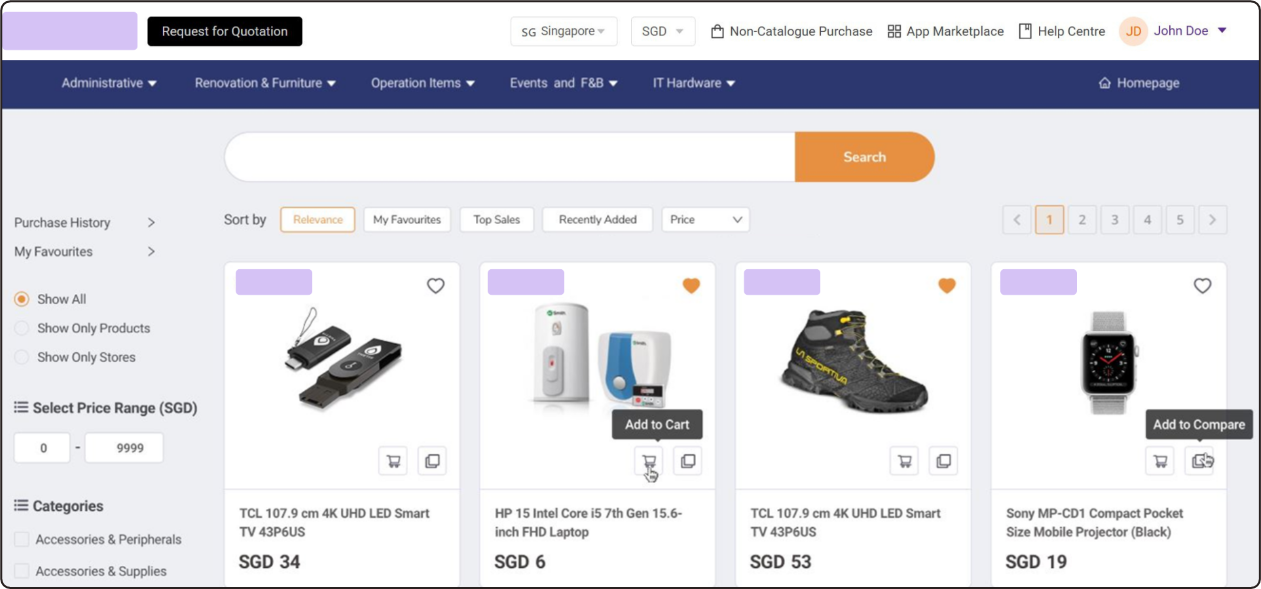
Extend SAP, Coupa, and other procurement systems to seamlessly transact across suppliers, distributors, and marketplaces.

Featured video: SourceSage introductory walkthrough for enterprise procurement teams.

Section 1 — The Problem We Solve

Procurement systems control spend — but don't execute it

  • Fragmented suppliers not integrated into procurement systems
  • Manual coordination across multiple vendors
  • Long-tail spend managed outside systems
  • Delays in sourcing and fulfillment
  • 5–10% inefficiencies added to each PO due to process friction

Procurement is controlled — but not truly connected.

Section 2 — Why Use SourceSage

A single connectivity layer for your entire supplier ecosystem

  • Connect once, access many
  • Extend your existing systems (SAP, Coupa, BeNeering, Ivalua, etc.)
  • Not a marketplace
  • Execute across fragmented suppliers
  • End-to-end execution: order management, supplier coordination, invoice consolidation, and payment orchestration

Section 3 — How to Use SourceSage

Flexible deployment based on your procurement strategy

Option A

Whitelabel Supplier Integration

Keep direct supplier relationships and embed SourceSage as the execution rail behind your own procurement and supplier operating model.

Option B

1 Vendor Aggregation

Operate with SourceSage as a single commercial aggregation layer to simplify transactions, reduce vendor coordination burden, and speed execution.

Option C

Hybrid Model

Combine direct supplier integration for strategic categories with aggregation for fragmented or long-tail spend.

Section 4 — Use Cases

Where buyers deploy SourceSage fastest

Tail spend management

Multi-vendor procurement

Event / services sourcing

Urgent or ad-hoc purchases

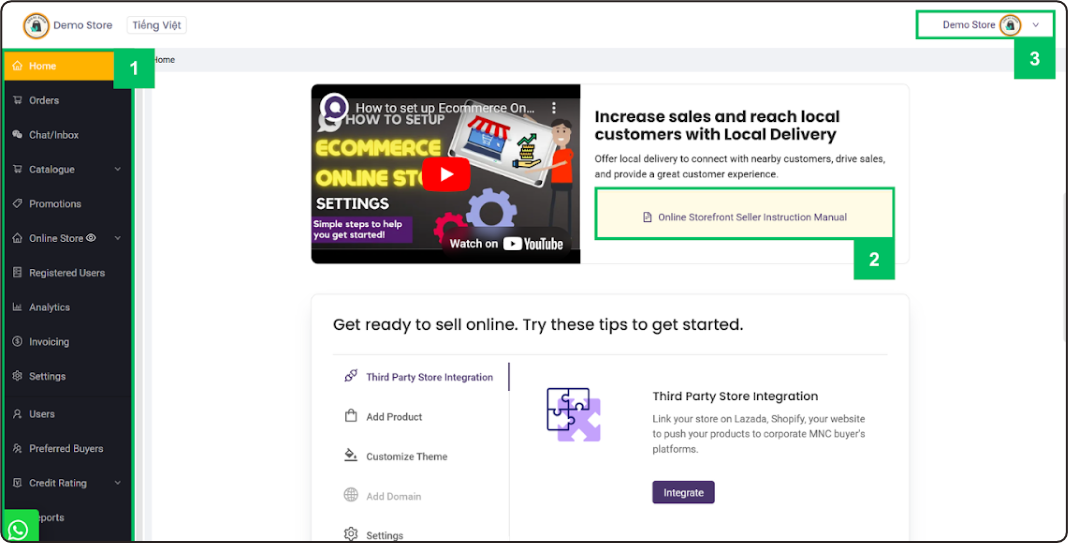
Supplier onboarding without IT integration

Section 5 — Areas of Opportunities

Product categories buyers can activate fastest with SourceSage

Use this as a practical view of where SourceSage helps procurement teams manage fragmented catalogs, supplier coordination, and long-tail spend without forcing everything outside policy.

Catalog complexity at scale

>1M

Number of catalogs to manage

One connectivity layer helps buyers bring scattered categories under better visibility, execution, and control.

Category 01

Business / Marketing Services

Category 02

Catering and Events

Category 03

Cleaning Supplies

Category 04

Corporate Gifts

Category 05

Data Processing Supplies

Category 06

Electronics

Category 07

IT Equipment

Category 08

IT Accessories

Category 09

Medical & Healthcare

Category 10

MRO & Hardware Consumables

Category 11

Office / Pantry Supplies

Category 12

MRO Services

Section 6 — Frequently Asked Questions (Buyers)

Buyer FAQs

Is SourceSage a marketplace?

No. SourceSage is a procurement connectivity layer. We do not replace your procurement system with a marketplace model—we connect your system to fragmented supply channels and execute transactions with control.

Do we need to change our procurement system?

No. SourceSage is designed to extend existing systems like SAP, Coupa, BeNeering, and Ivalua so your current policies, approvals, and controls remain in place.

Will we lose control over suppliers or pricing?

No. You define supplier strategy, commercial terms, and governance. SourceSage provides execution and orchestration across channels; it does not take over your supplier ownership.

How do suppliers get onboarded?

Suppliers can be onboarded through SourceSage onboarding workflows without requiring heavy IT integration for each supplier. We standardize onboarding so teams can scale faster.

What types of suppliers can be connected?

Direct suppliers, distributors, service providers, and marketplace sellers can all be connected—especially fragmented and long-tail suppliers that are difficult to manage natively in enterprise systems.

When should we use Option B (1 vendor aggregation)?

Use Option B when speed and operational simplicity matter most—for urgent categories, fragmented demand, or when managing many vendors individually would create unnecessary process overhead.